Latest from The Moviegoer
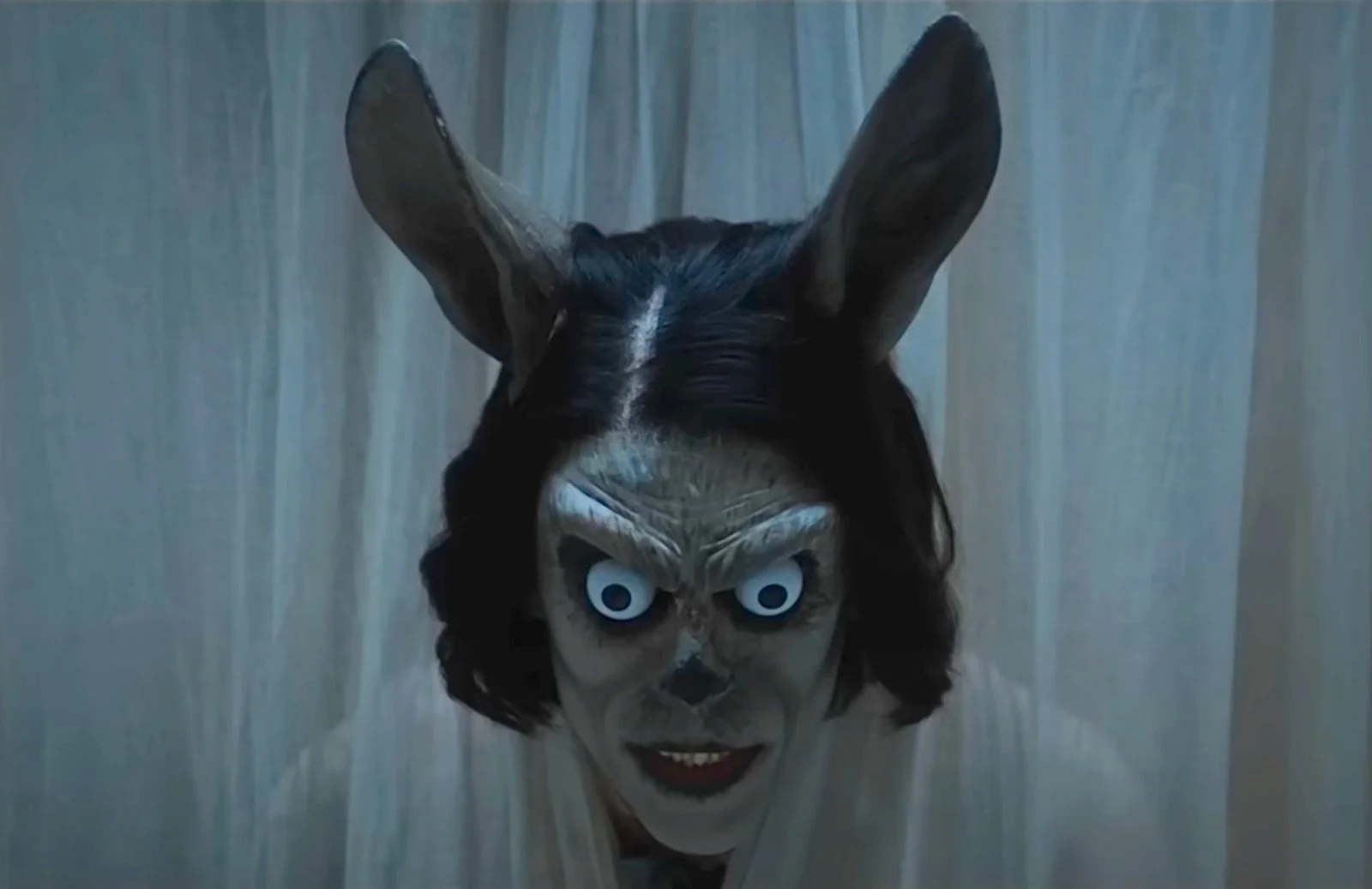
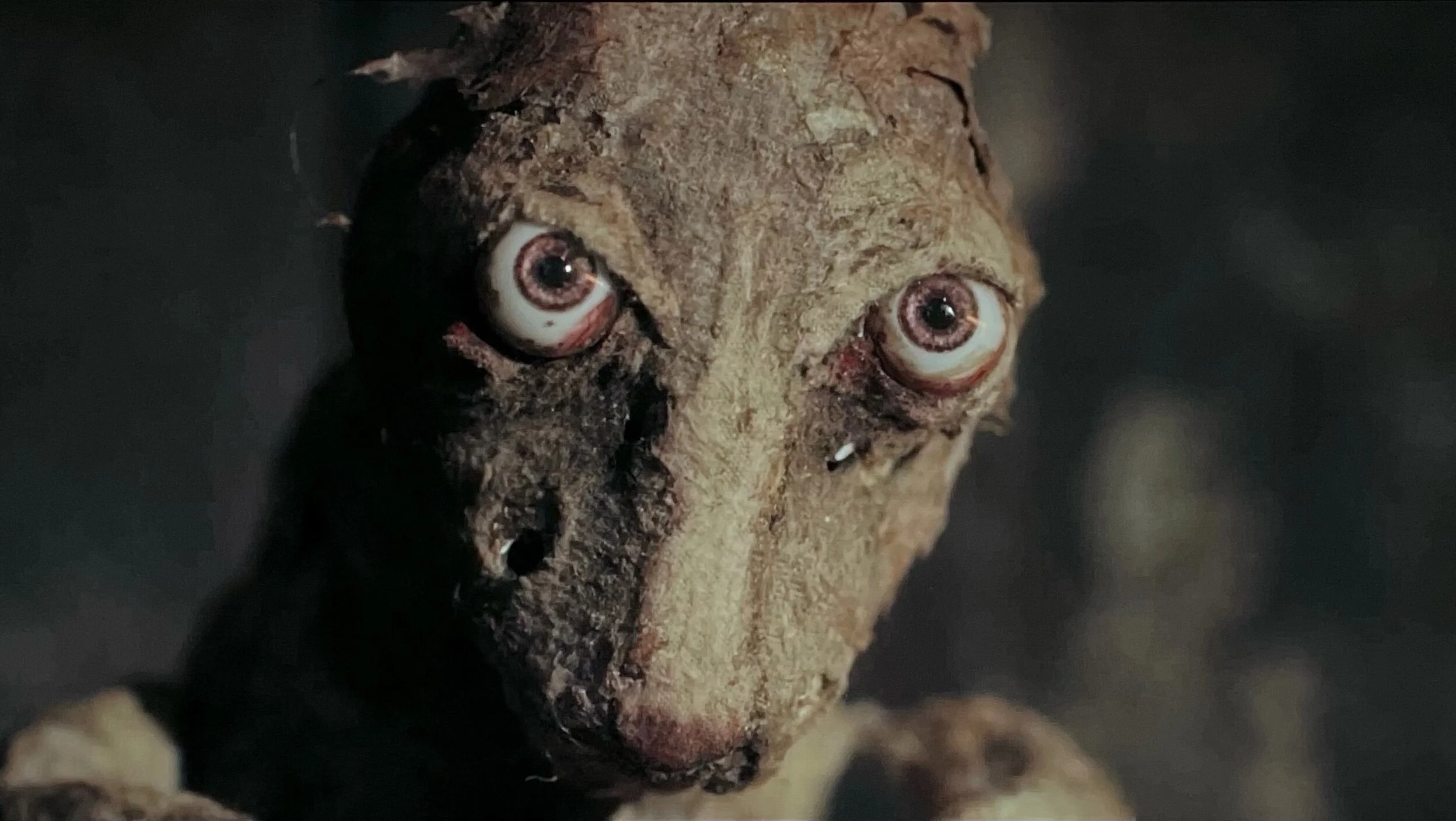
There are three things you should never do in a Damian McCarthy movie: Accept an odd job offer, touch an antique object, and most importantly, never go into a building that seems even remotely interesting. Damian McCarthy, the Irish horror director behind Caveat (2020), Oddity (2024), and Hokum (2026), has a very special talent for constructing physical spaces that feel fundamentally wrong. Watching his three movies provides a vivid illustration of how McCarthy has grown as a director and how he has mastered the art of the haunted house.
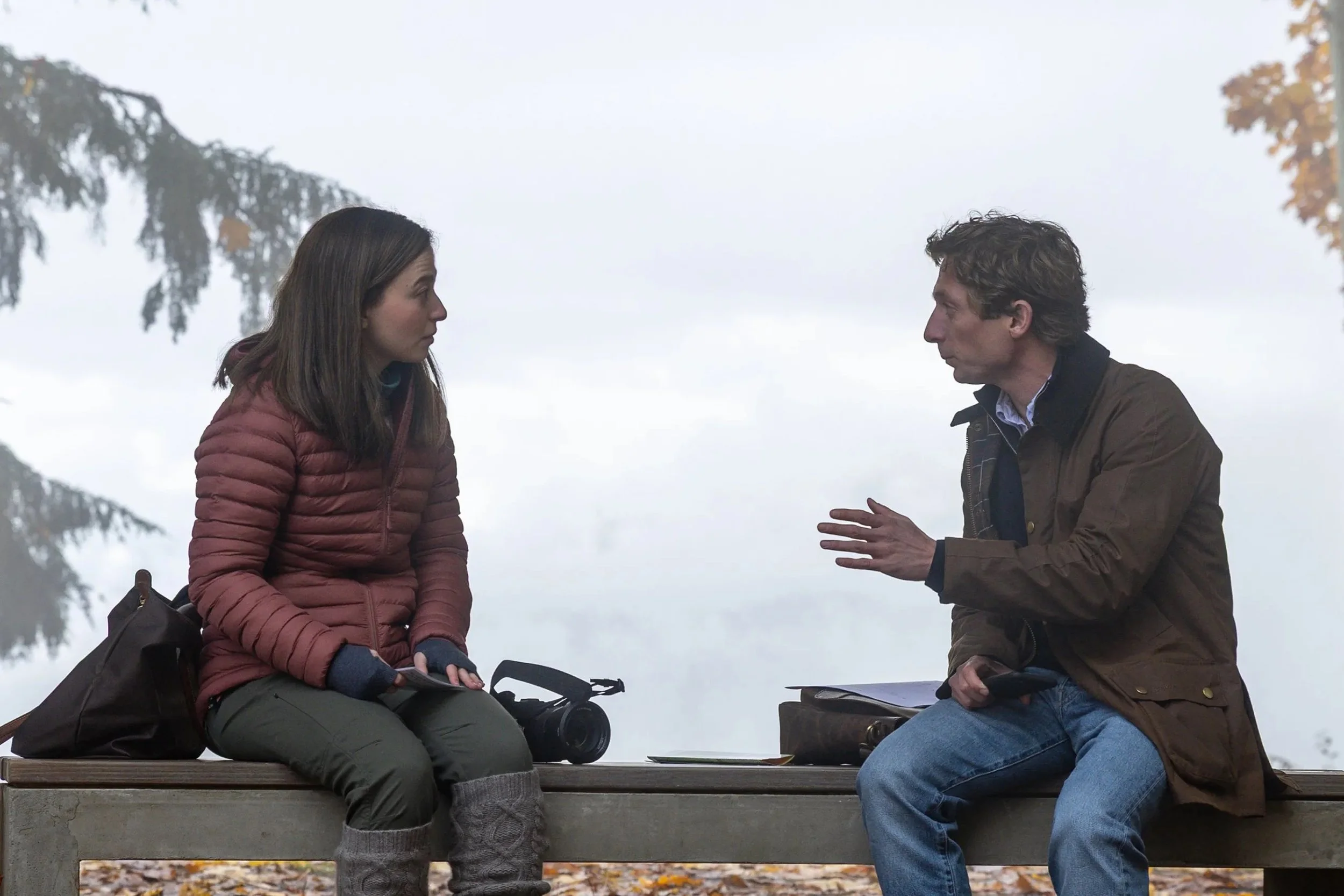
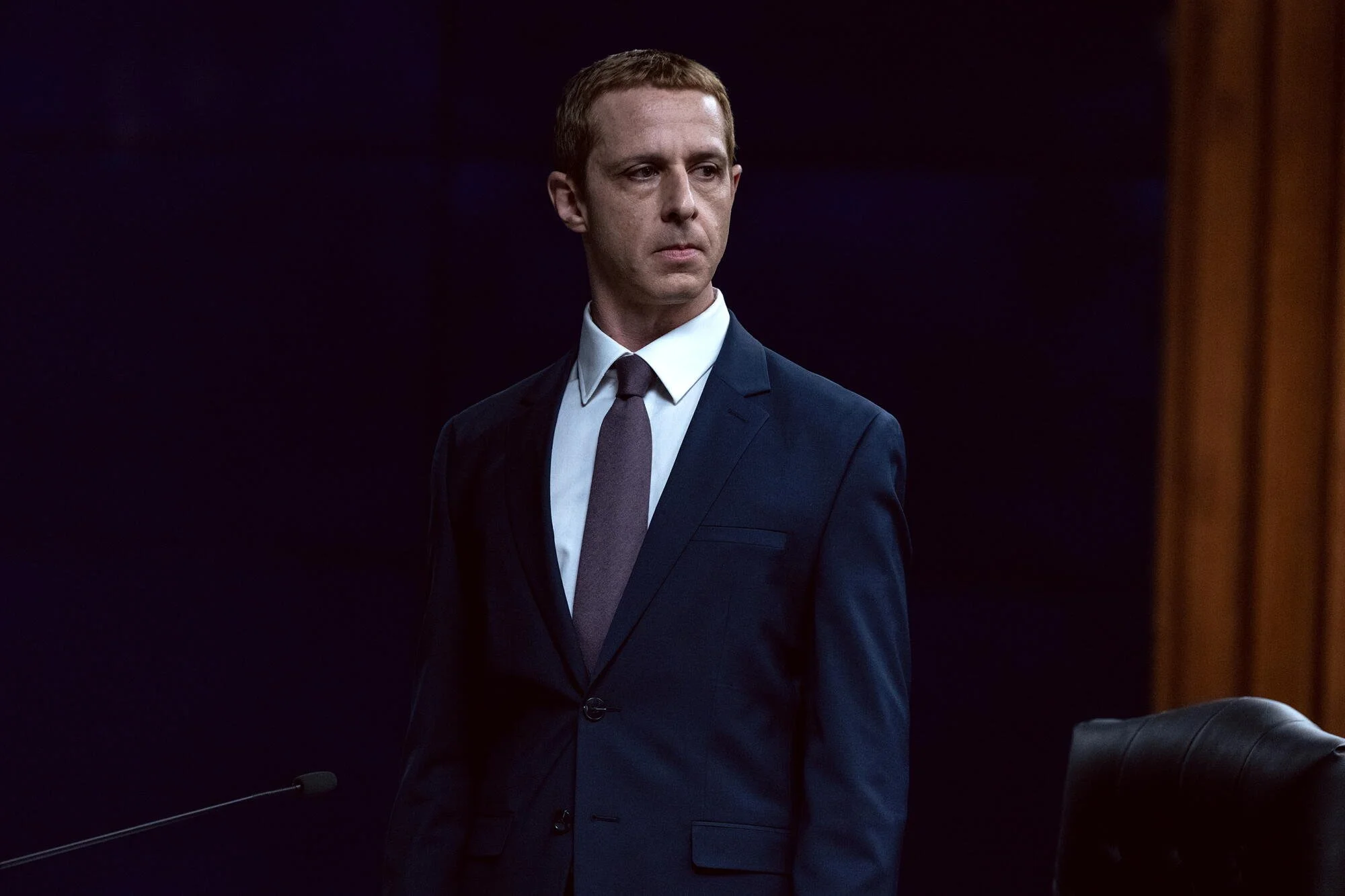
It’s 2026. The AI arms race is fully underway, and all the major tech players are rolling out new and better generative products. You hear that Aaron Sorkin, the Academy-trophied Tiresias who wrote The Social Network, has penned (and directed) a sequel of sorts that continues the Facebook story.
Then you find out it’s about The Facebook Files, what turned out to be an explosive but less-than-apocalyptic episode in the company’s history, and something within you deflates.
No one reading this has to imagine that scenario, because it is, of course, what happened.The Social Reckoninghas just hit theaters—and it’s a colossal misfire.
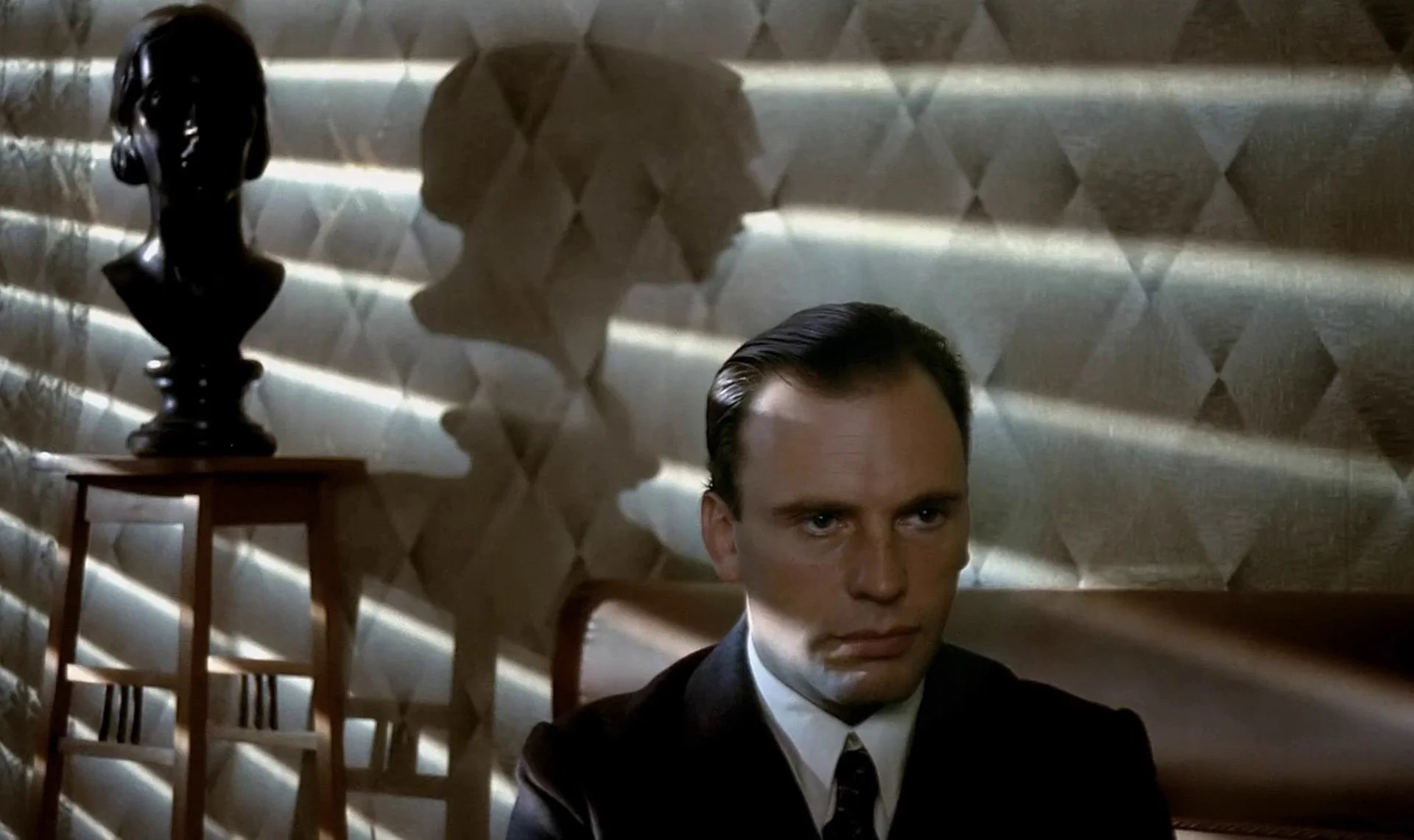
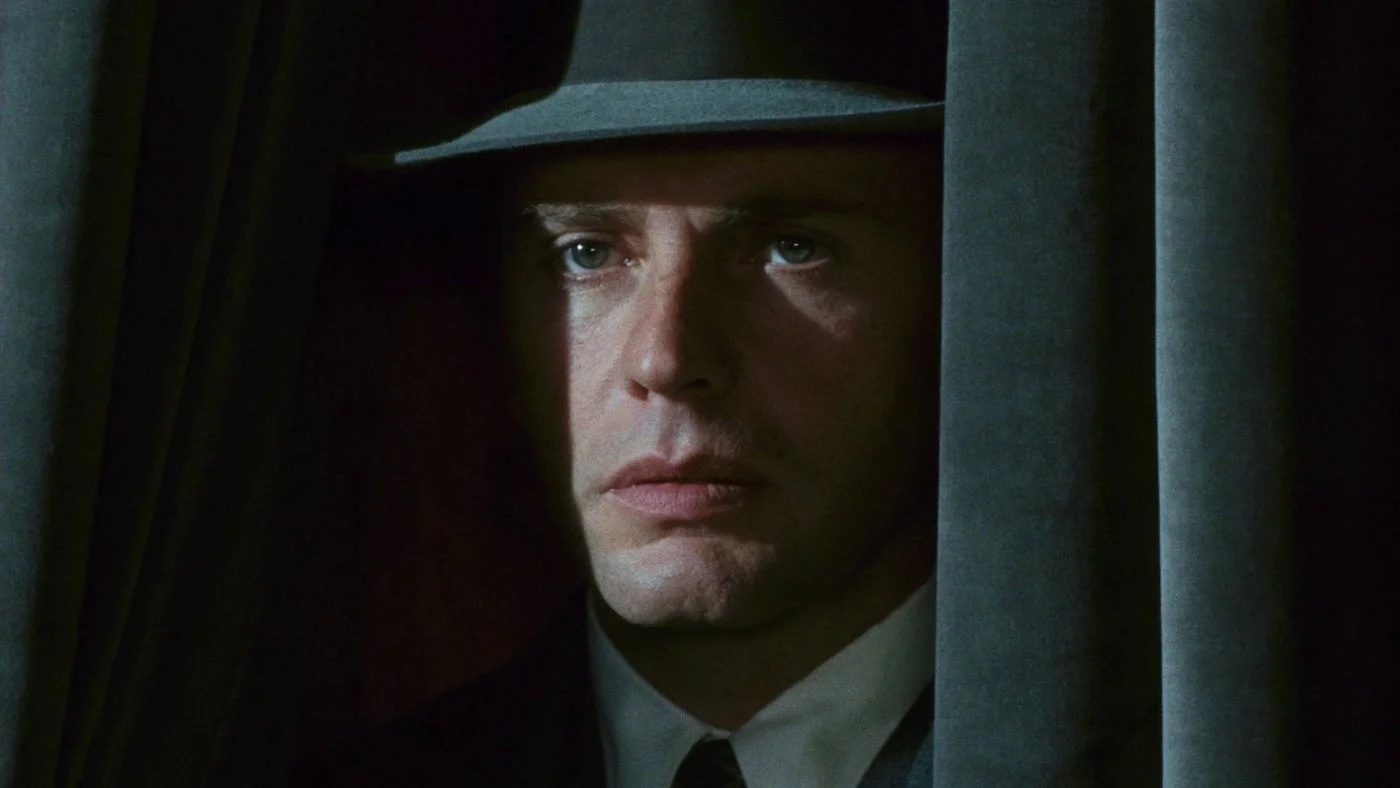
Bernardo Bertolucci’s Il Conformista tells the story of fascist spy named Marcello on an assassination mission, as memories from his past haunt him in the present. One of the film’s central ideas is Marcello’s faith in the image of fascist Rome. Bertolucci weakens this image through a distortion of time and space and powerful imagery
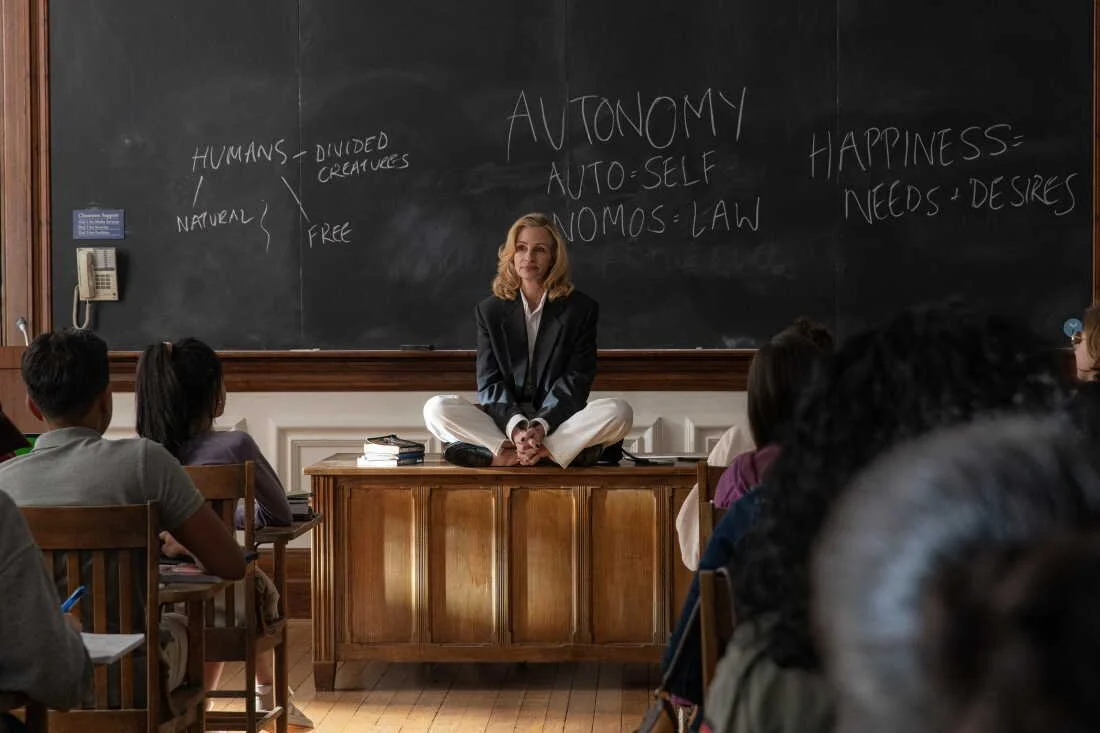
Summer is over once again, and to ring in the new season–and our new members–The Moviegoer lists the best and most iconic college movies (with special emphasis paid to the ones that are about the back to school season). The following fifteen classics are in no particular order.
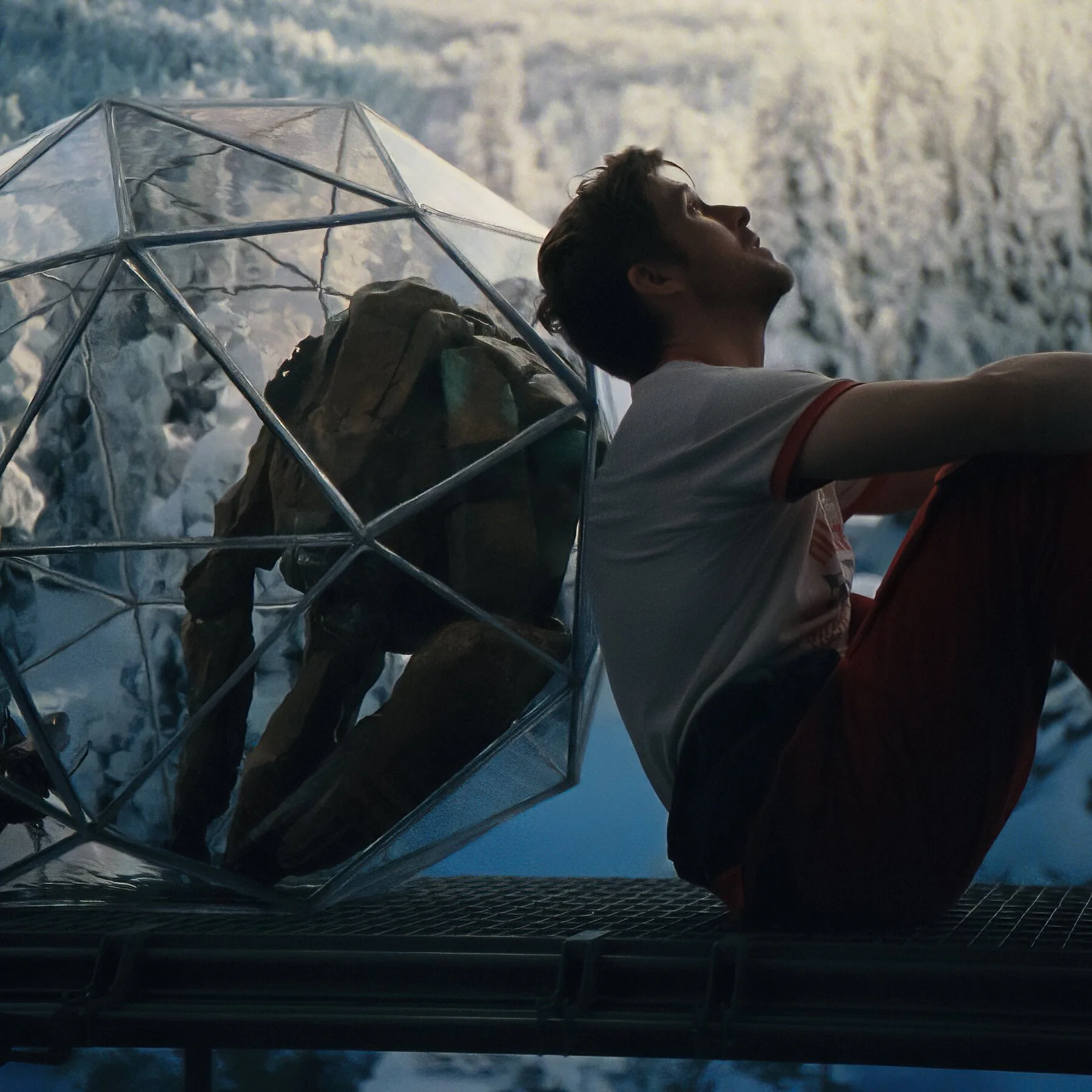
Project Hail Mary is an adaptation of Andy Weir’s 2021 novel of the same name. It follows science teacher Ryland Grace (Ryan Gosling) after he wakes up on a spaceship with no memory of how he got there. As his memory returns, he also gains an unlikely friendship in Rocky the Eridian alien. The acting is great, the screenplay is charming and full of heart, and the visuals are striking.
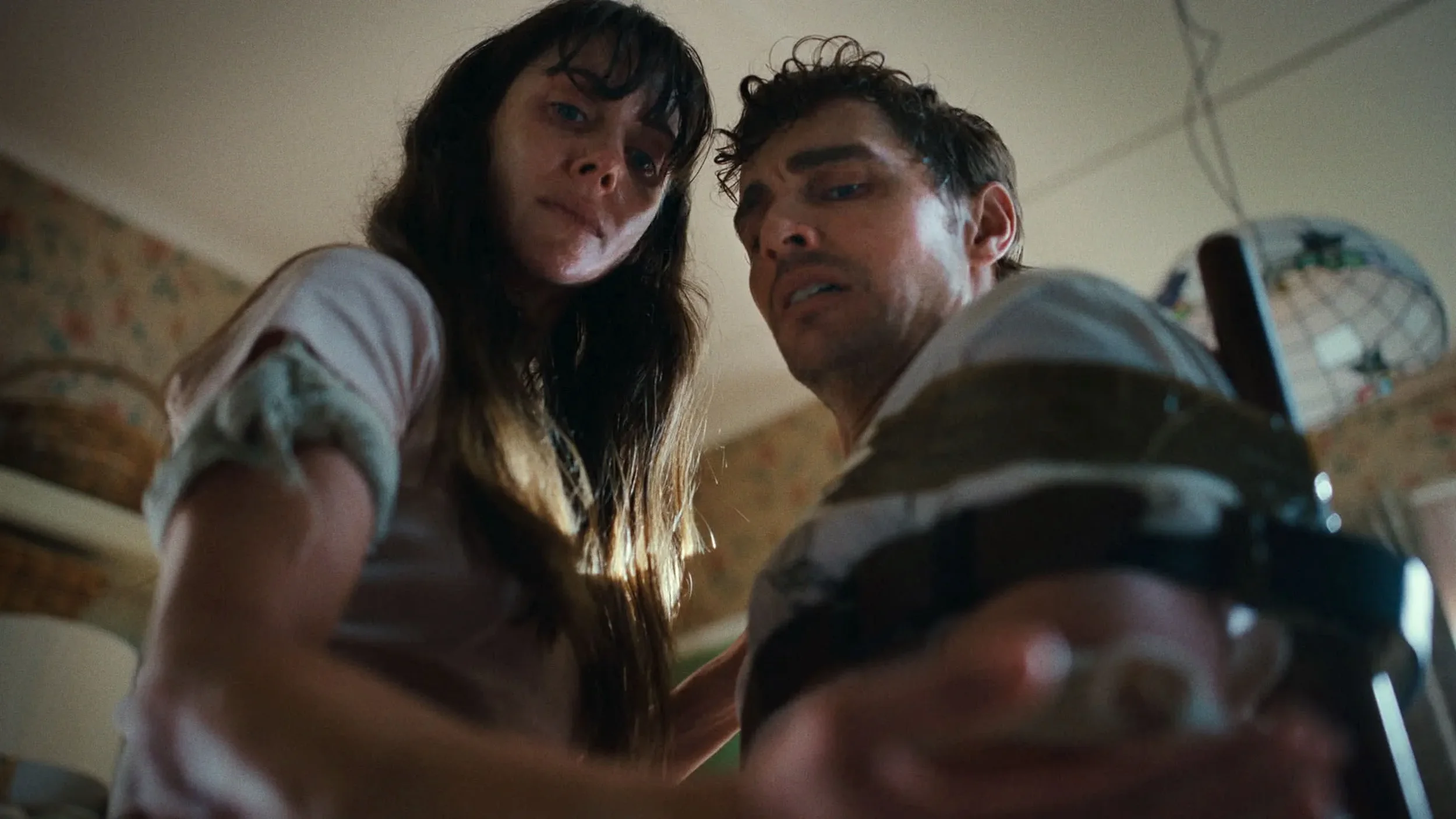
If you asked most people a few years ago who was “winning” indie horror, the answer would've been obvious: A24, of course. But between 2021 and now, something shifted. Not all at once and not always clearly, but deliberately. While A24 horror started to feel scattered, Neon built something more strategic.
What’s interesting is that Neon didn’t start with a clear horror identity at all. It was built over time, and I track that evolution in three distinct pseudo-phases: pre-Titane, post-Titane, and post-Longlegs. Each phase had a different strategy. First it was discovering talent, then experimenting with identity, and finally scaling into something that looks a lot like dominance.
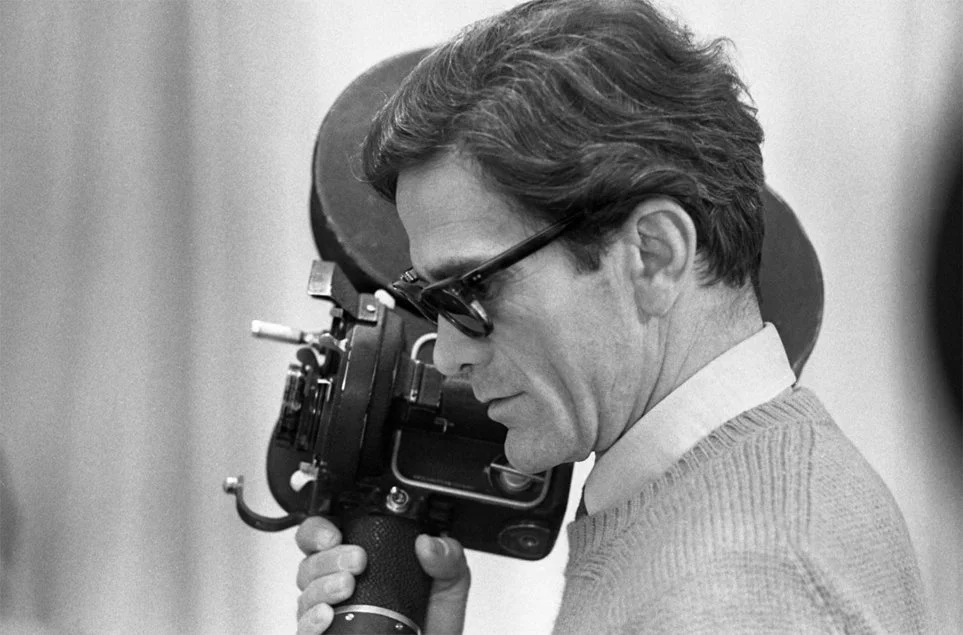
Last year marked the fiftieth anniversary of the death of one of the most important filmmakers of all time. In early November 1975, Pier Paolo Pasolini was murdered. Perhaps the killing was carried out by the militant right-wing group Banda della Magliana–or maybe by an overzealous fan. The case remains open in Rome after the original suspect retracted his confession more than twenty years ago.
I undertake to rank all twelve of Pasolini’s feature films. Of course, the scope of his oeuvre extends beyond these; I recommend in particular his street documentary Love Meetings and his excellent meta short film La Ricotta.
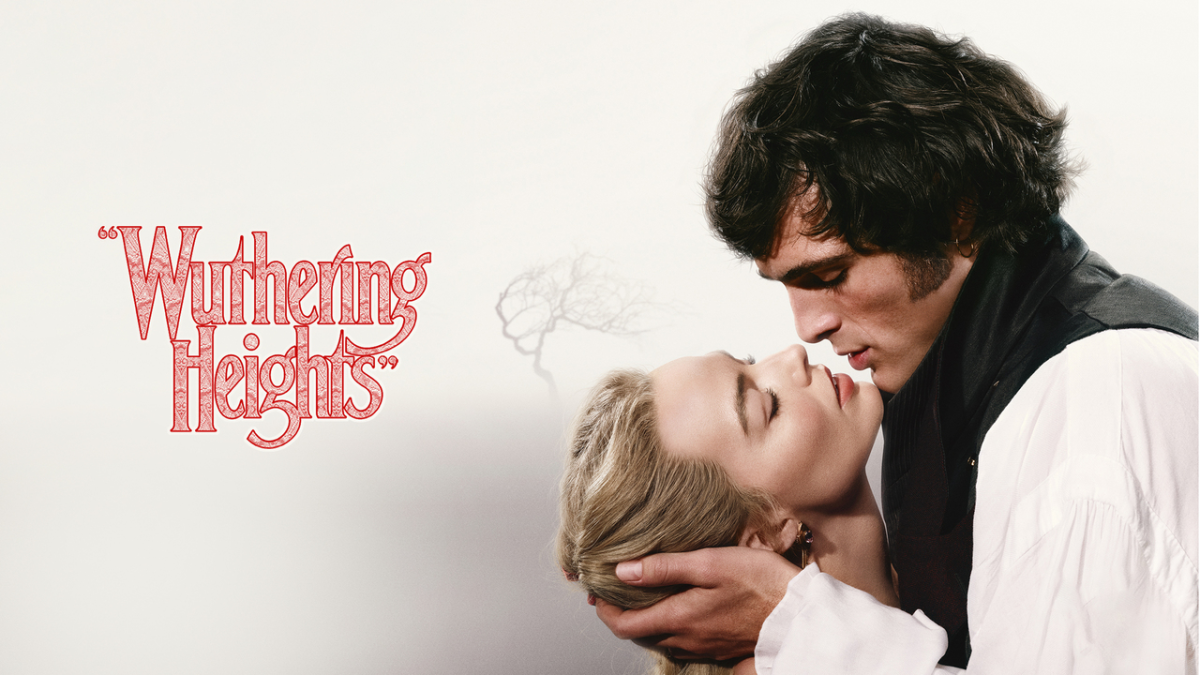
Emerald Fennell said as much herself: "The thing for me is that you can't adapt a book as dense and complicated and difficult as this book. I can't say I'm making ‘Wuthering Heights.’ It's not possible. What I can say is I'm making a version of it." She put the title in quotation marks intentionally, providing a disclaimer that this film is not the classic text. Every adaptation imposes a vision, turning the source material into something else.
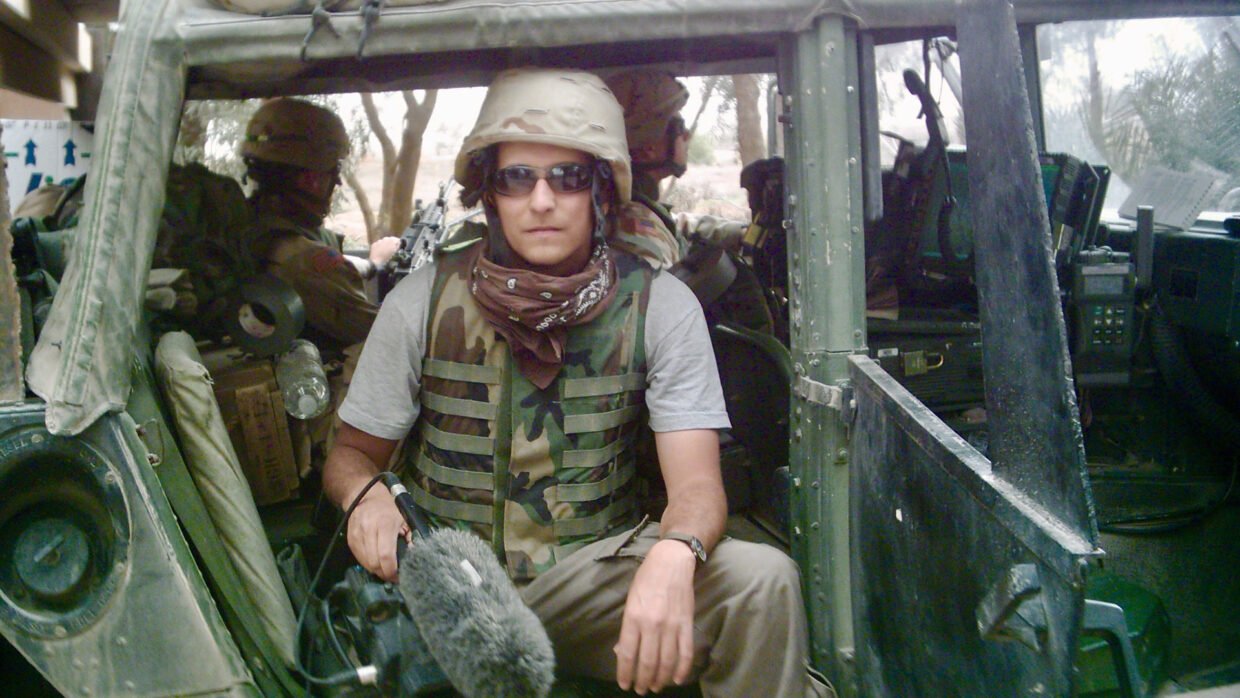
Even the most devoted cinephiles rarely tune in to the nominees for the Academy Award for Best Documentary Short. Most film buffs, myself included, don’t make it to the short film programs or indie showcases where these films typically screen, and many of them quickly disappear into obscurity after their premieres. Perhaps because of this invisibility, documentary shorts have the potential to carry some of the sharpest political messages in today’s cinema. This year’s nominees certainly exemplify this potential, covering urgent topics like gun violence, war, protest, reproductive rights, and, um, wandering donkeys. Despite their small audiences, these films deserve a closer look. They are brimming with provocative voices, even if this year’s particular batch sometimes fails to stick the landing.
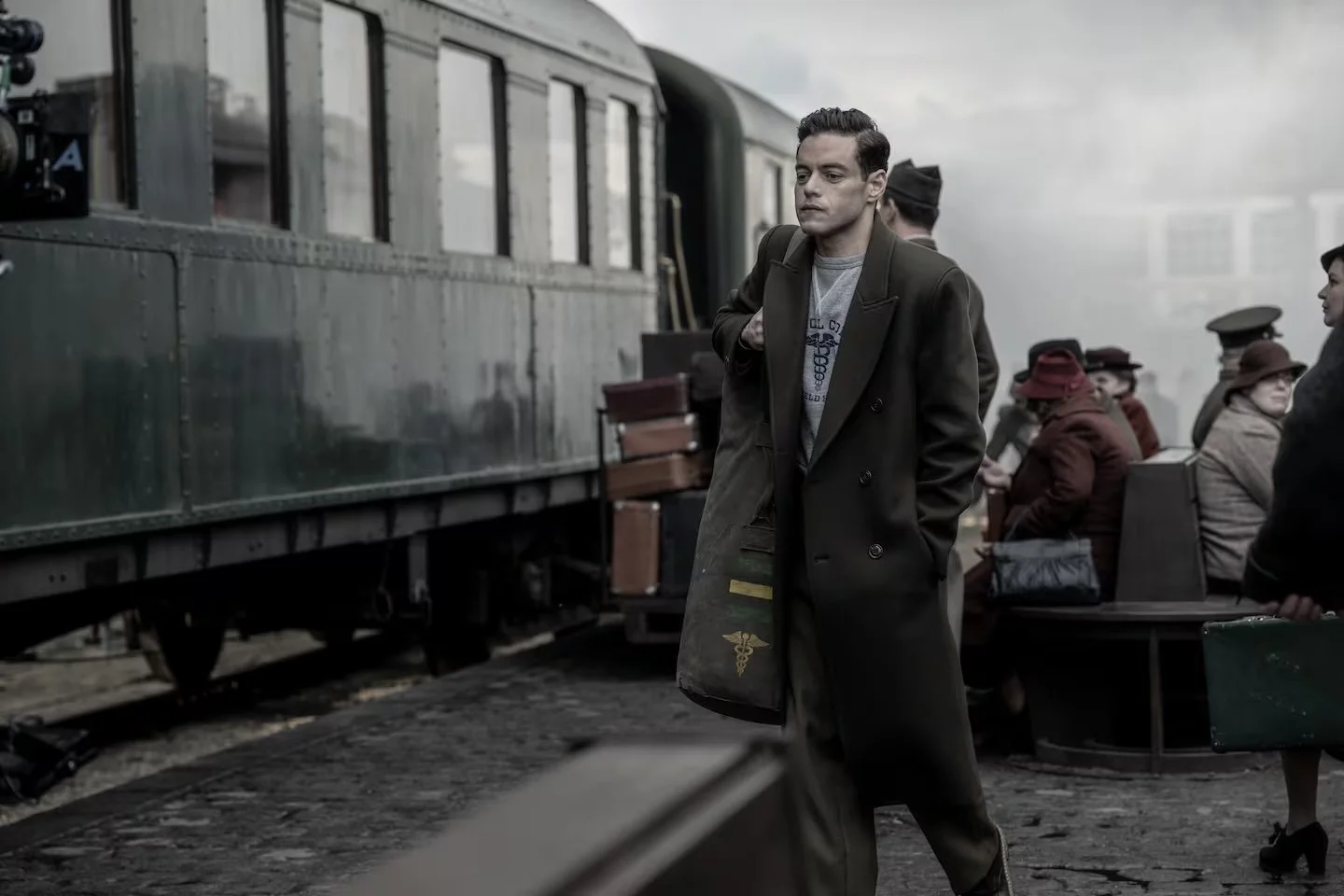
The new movie Nuremberg attempts to convey the same message, albeit through a more character and relationship-driven lens. The overall theme, though, remains the same: Nazi’s aren’t some abstract villain–they are real, and they are human.
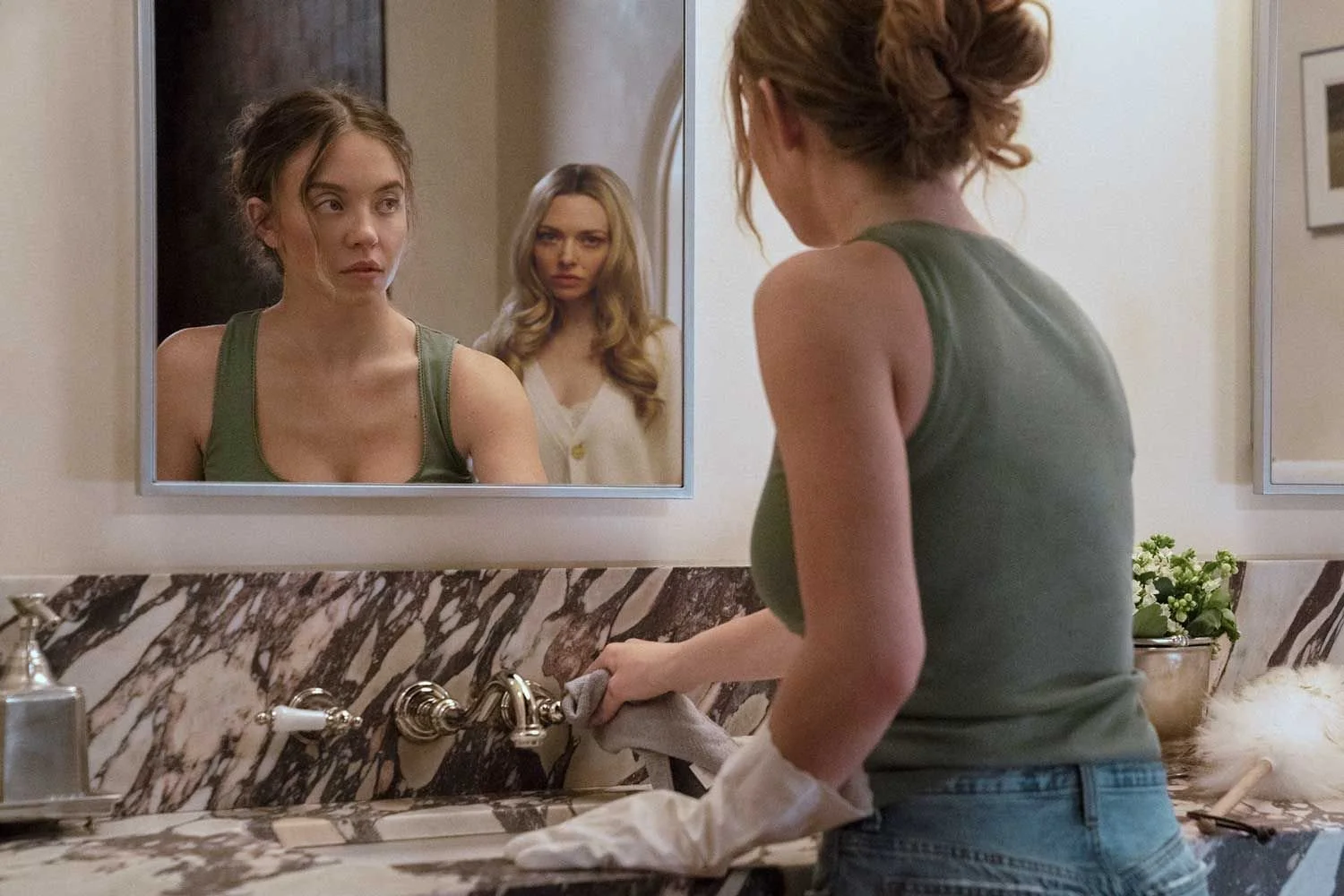
There are two different movies inside The Housemaid. One stars Amanda Seyfried, who turns in a performance so surprisingly controlled, so layered, and so quietly unnerving that every time she appears the film sharpens. The other stars Sydney Sweeney, who is asked to anchor the entire story but never finds a pulse for the role. The gap between them becomes the film’s defining tension—and not the kind it intended.
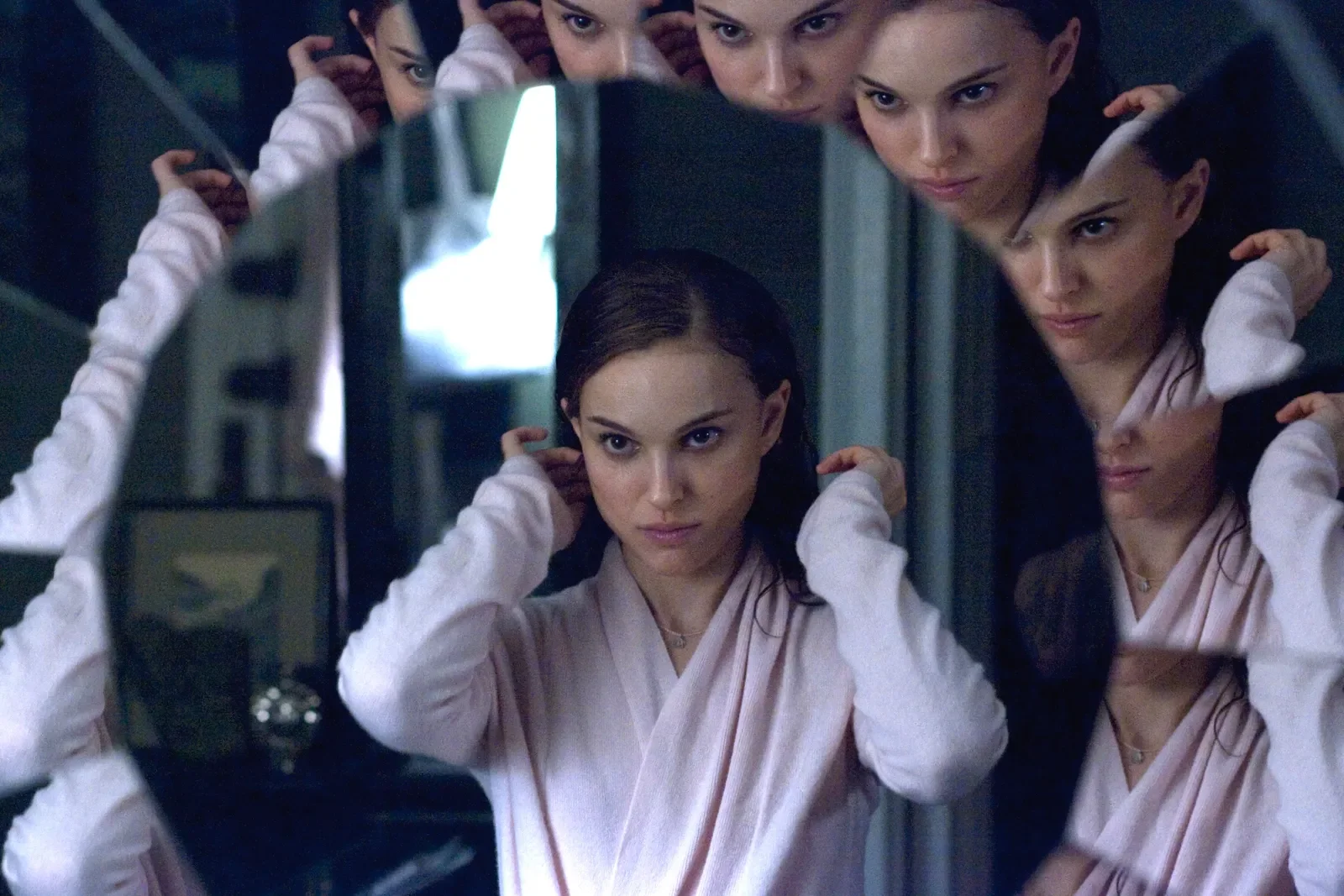
15 years ago today, Daren Aronofsky’s psychological thriller Black Swan hit theaters for the first time. The film was seen as a return to form for the director, bringing back much of the neurotic style that his infamous 2000 film Requiem for a Dream had–now dressed in the suffocating clothes of ballet instead of drug induced paranoia. In the time between these two films, Aronofsky released the oddball sci-fi film The Fountain (2006) to mixed reviews, and the quiet and candid The Wrestler (2008) to slightly better reception. Both of these films were a stark departure from Aronofsky’s Requiem for a Dream and Aronofsky’s affinity for reveling in his audience's misery. Now 15 years since its release, Black Swan has seen continued life in the misguided discourses of social media comment sections. Before I critique these discourses however, I would like to critically discuss the film detached from its legacy and reception.
More in Superhero Reviews

This might be one of the darkest Marvel films we have seen so far. We always knew that the First Lady of the Avengers, Natasha Romanov AKA Black Widow (Scarlett Johansson), had a tragic backstory. It is an entirely different experience watching it on screen.

Shang-Chi and the Legend of the Ten Rings stars Simu Liu as the titular character, renowned in the comics for his martial arts abilities. Starring alongside him are Awkwafina as Katy and Chinese actress Meng’er Zhang as Shang-Chi's younger sister Xialing. The film is a lesson on reconciliation and accountability. The story highlights that forgiveness and reconnection are possible following a rift.

As we all remember, the year 2020 was an era of tremendous chaos and great tragedy. One such tragedy was the death of the great Chadwick Bosemon, who previously starred as the lead of Black Panther, T'challa, aka the Black Panther. The second film in this series, Black Panther: Wakanda Forever, as much as it is a blockbuster, is a memorial to the late Chadwick Boseman. This sentiment echoes throughout the entire movie, and we feel his presence from beginning to end.
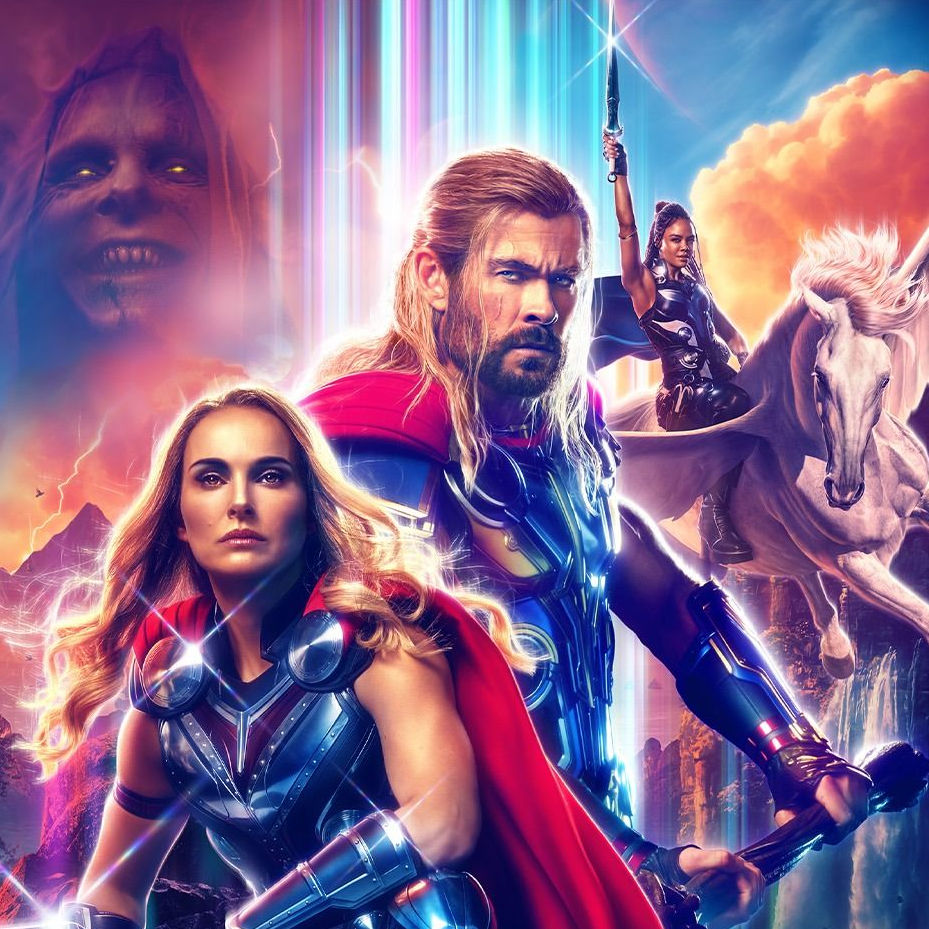
Every now and then, there comes a certain kind of movie. A movie that makes you laugh, that makes you cry, and that makes you shake with excitement, enjoyment, and fear. Most of us love that movie, when it comes along. Unfortunately for my audience, this is not the movie I will be reviewing.

I watched Multiverse of Madness, also called MoM by some fans, with great excitement, only to be let down in many interesting ways. But, nevertheless, the film drastically shifted the trajectory of the MCU and is vital regardless of its divided reception.

Morbius, released in April 2022 and starring Jared Leto as the titular character, has been the subject of many viral Twitter threads…if only because it somehow became a meme completely unrelated to the plot of the movie itself. To be completely honest, I don’t remember watching most of the movie. In fact, I fell asleep multiple times, including towards the very end. So, this review will consist primarily of the little I still remember, why I fell asleep, and why its main character has become a highly successful meme.
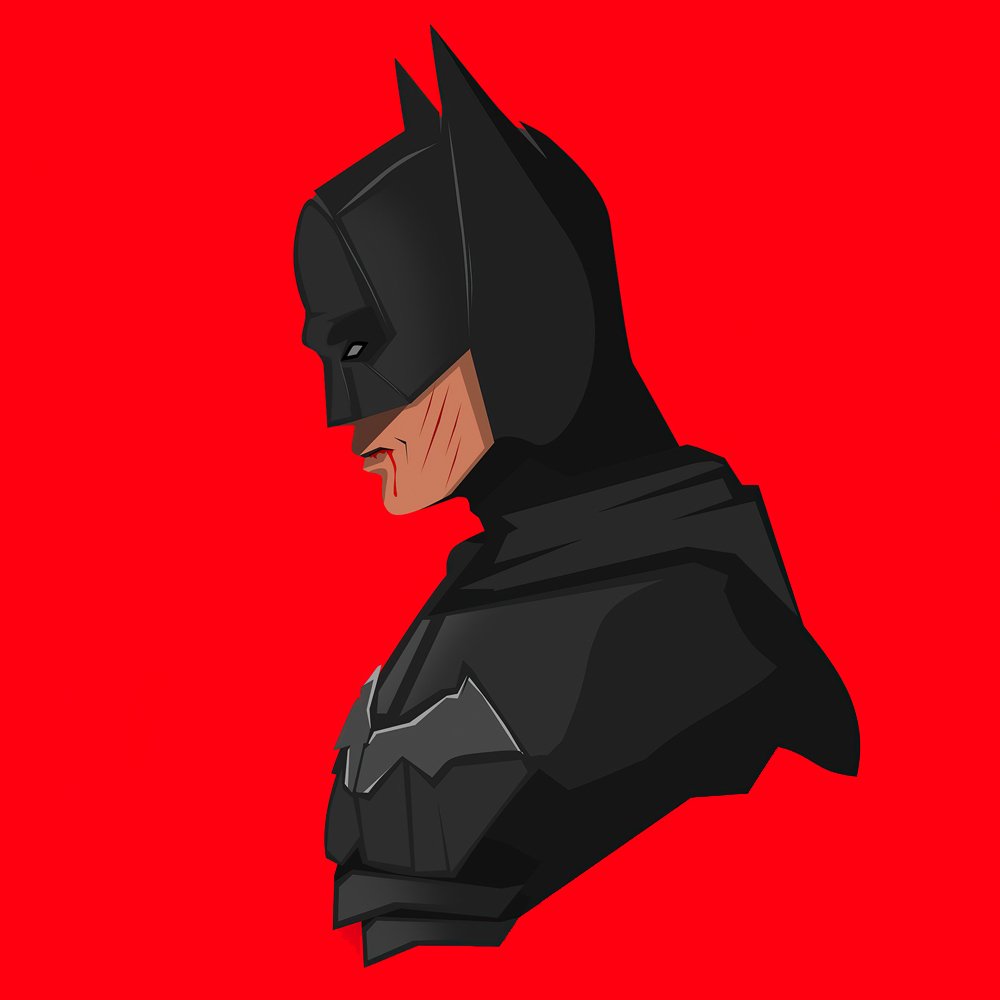
One may be asking, why do we need another Batman movie if The Nolan Trilogy, especially The Dark Knight, still holds up? Well, we certainly did not need this movie, but I, for one, am thankful that we got it! Matt Reeves’ The Batman is a dark, suspenseful reimagining of the classic Batman storyline that features new interpretations of characters like Catwoman (Zoë Kravitz), The Penguin (Colin Farell), and The Riddler (Paul Dano).

This is the moment we’ve all been waiting for. It's the final Marvel premiere of the year 2021. And most of all, it's the conclusion of the Marvel Cinematic Universe’s Spider-Man trilogy. No Way Home has become one of the greatest films that both Marvel and Sony have ever released - but I have got to admit, given the long, complicated history of Spider-Man films, it would have been very difficult for it to turn out any other way.
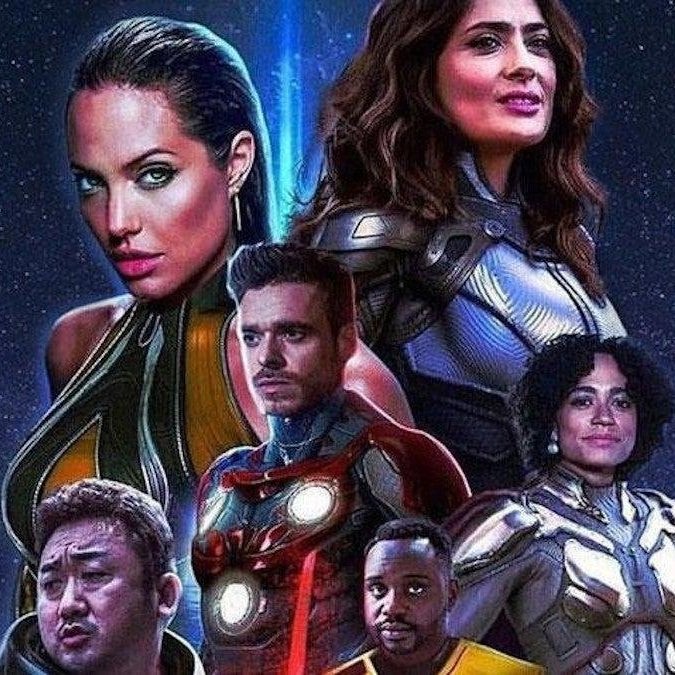
Long ago, in an unknown dimension, Marvel Studios decided to make a film about characters most of us have never even heard of. Behold, the Eternals — an elite team of ancient, all-powerful immortals who hail from the godly world of Olympia, now on a mission to make the planet Earth a better place… or so we thought.

When my roommates told me they wanted our next viewing project to be an animated superhero show, I was ... hesitant. An adult cartoon? Those aren’t really my thing. Eventually I gave in because, after all, I had forced them to watch Survivor with me.

WandaVision, starring Elizabeth Olsen and Paul Bettany, concludes with a dramatic ending, inducing surprise, joy, grief, and for some eager fans, disappointment. The 9-episode Disney+ series combines sci-fi, drama, comedy, fantasy, mystery and of course, action. Its weekly serialized format makes room for eager Marvel geeks around the world to take to the internet to predict what comes next for the show that starts in a very confusing, open-ended way.

More in Horror Reviews
There are three things you should never do in a Damian McCarthy movie: Accept an odd job offer, touch an antique object, and most importantly, never go into a building that seems even remotely interesting. Damian McCarthy, the Irish horror director behind Caveat (2020), Oddity (2024), and Hokum (2026), has a very special talent for constructing physical spaces that feel fundamentally wrong. Watching his three movies provides a vivid illustration of how McCarthy has grown as a director and how he has mastered the art of the haunted house.
If you asked most people a few years ago who was “winning” indie horror, the answer would've been obvious: A24, of course. But between 2021 and now, something shifted. Not all at once and not always clearly, but deliberately. While A24 horror started to feel scattered, Neon built something more strategic.
What’s interesting is that Neon didn’t start with a clear horror identity at all. It was built over time, and I track that evolution in three distinct pseudo-phases: pre-Titane, post-Titane, and post-Longlegs. Each phase had a different strategy. First it was discovering talent, then experimenting with identity, and finally scaling into something that looks a lot like dominance.
15 years ago today, Daren Aronofsky’s psychological thriller Black Swan hit theaters for the first time. The film was seen as a return to form for the director, bringing back much of the neurotic style that his infamous 2000 film Requiem for a Dream had–now dressed in the suffocating clothes of ballet instead of drug induced paranoia. In the time between these two films, Aronofsky released the oddball sci-fi film The Fountain (2006) to mixed reviews, and the quiet and candid The Wrestler (2008) to slightly better reception. Both of these films were a stark departure from Aronofsky’s Requiem for a Dream and Aronofsky’s affinity for reveling in his audience's misery. Now 15 years since its release, Black Swan has seen continued life in the misguided discourses of social media comment sections. Before I critique these discourses however, I would like to critically discuss the film detached from its legacy and reception.
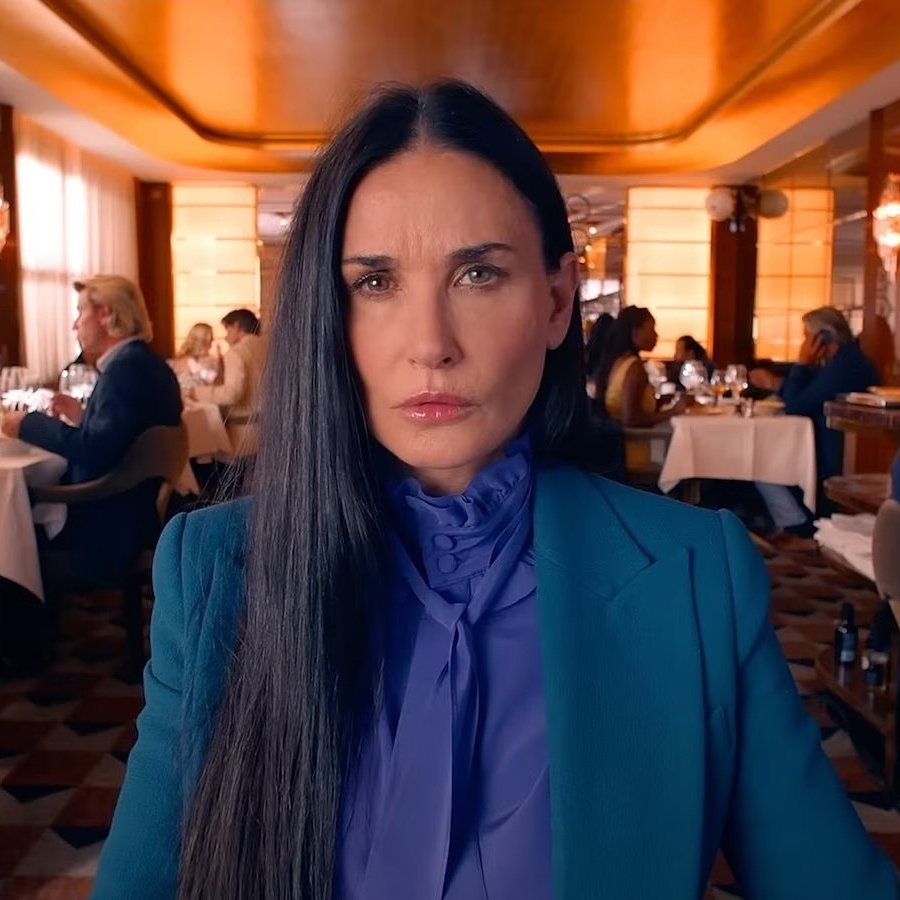
I didn’t like The Substance at first, likely because I was trying to avoid the reality that most women, indeed, are victims. That conversations around women’s bodies go beyond mere comments or jokes—they compose our being. They dictate how long others deem us worthwhile partners or employees. They tell us to spend our New Year’s at the gym instead of with our families. To spend that extra minute dawdling in front of the bathroom mirror. To gawk when we see a woman over 60 on our movie screen. And that no matter how good at your job you are, everyone is talking about your boobs.

I first argue for extending the class of common constructs for analyzing horror media to two more constructs: constraints and character responses. I then analyze horror films belonging to the Fourth Cinema, i.e. Indigenous cinema as described by Barry Barclay. I plan to argue that these films have a distinct conceptualization of these three constructs that stems from ideas about community.

There are few villains in cinema more iconic than Michael Myers. From his misshapen William Shatner mask to his trademark kitchen knife, mere suggestions of these images are enough to send chills down the spines of generations of Americans, even for those who haven’t seen the Halloween films. I’ll be honest with you from the start: I don’t like Halloween very much, but give me a chance to explain.
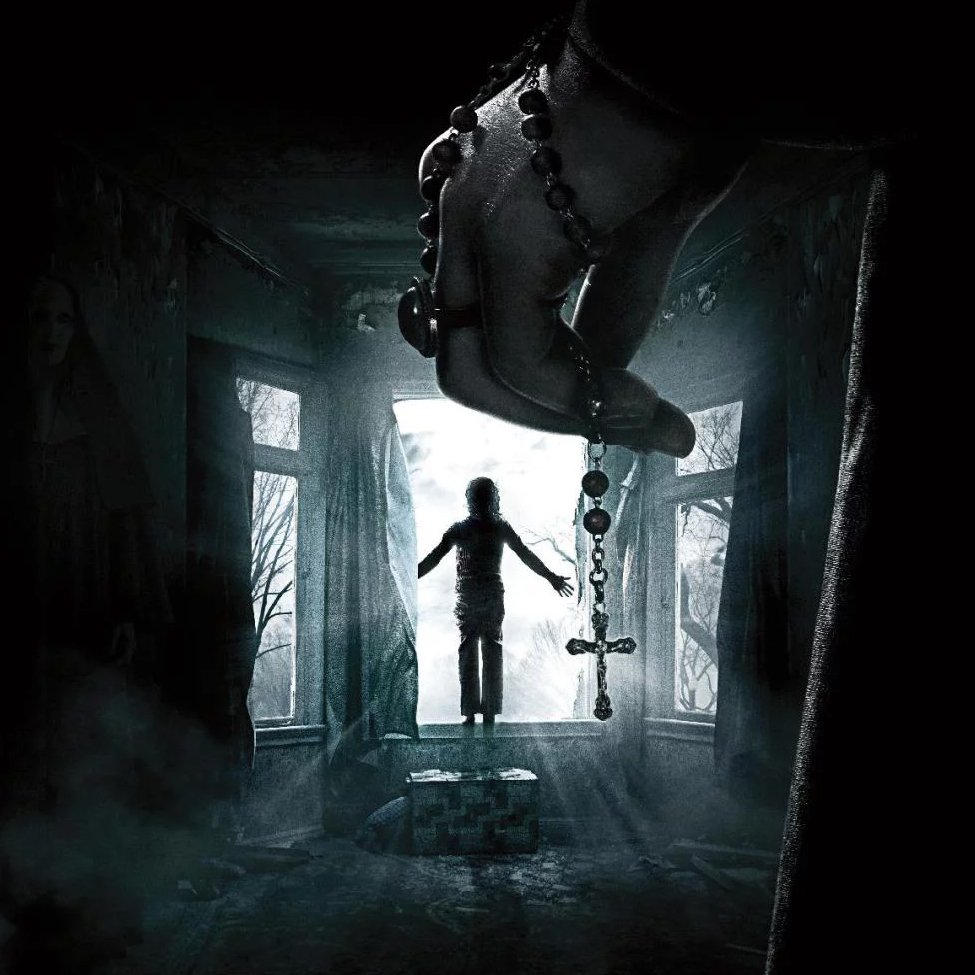

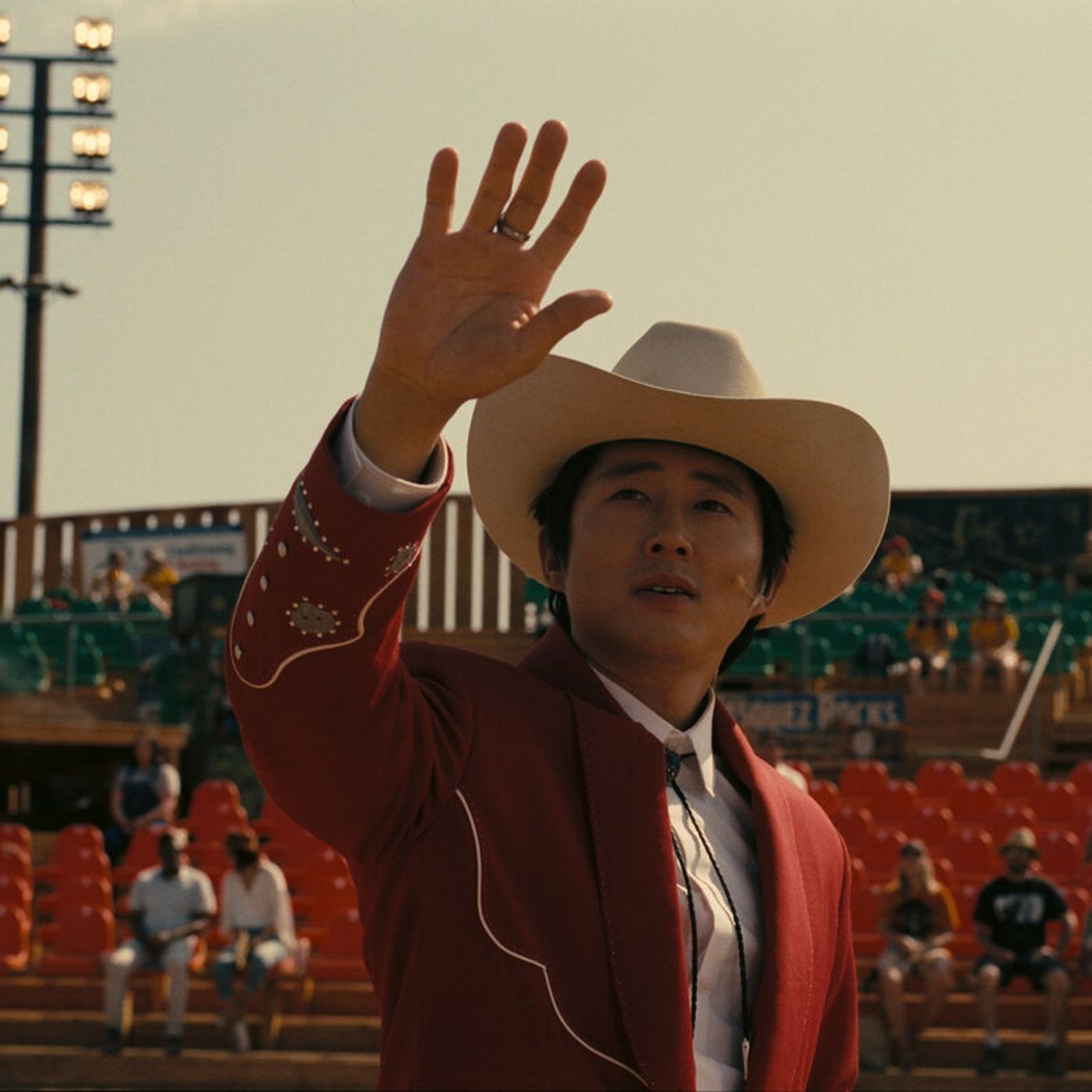
This visually striking film isn’t as scary as the trailers make it out to be, but instead it is a story about family bond, the history and importance of the black community in filmmaking, and of course, alien invasion.
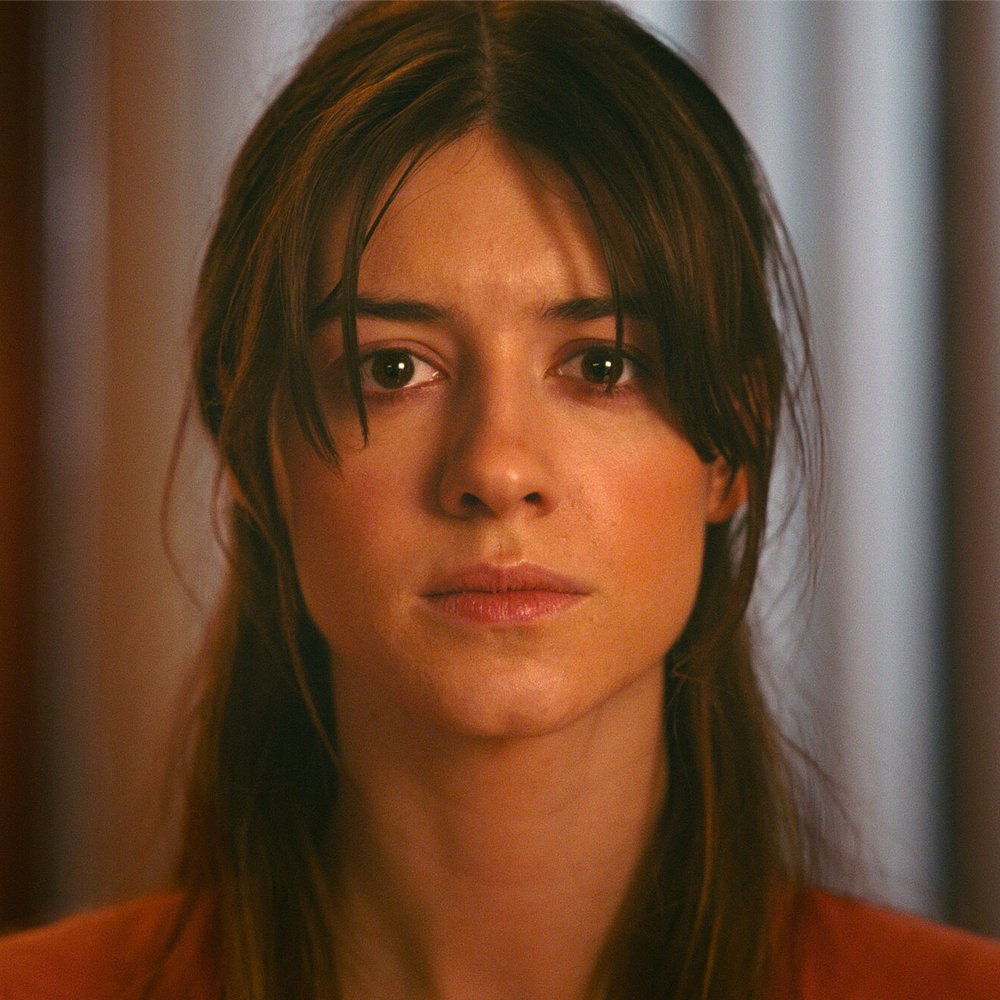
Fresh has all the ingredients to be the perfect modern thriller. It’s a black comedy about the horrors of modern dating starring Daisy Edgar-Jones and Sebastian Stan. There are plenty of mundane horrors to be had in the dating world, but Fresh ups the stakes and throws a cannibal into the dating pool.
Local Showtimes

Landmark Ritz Five
214 Walnut Street
Philadelphia, PA 19106

AMC Fashion District
1001 Market Street
Philadelphia, PA 19107

University City Penn 6
4012 Walnut Street
Philadelphia, PA 19104

Regal Main Street Theater
3720 Main Street
Manayunk, PA 19127